


"Your package has arrived at 7-11 Unilink store. Pickup code: 7M777198777. Please collect it by 07/08."
One ordinary morning, Mr. Lin received a text message from a so-called "logistics company" informing him that a package had arrived at a 7-11 store near his office, complete with a pickup code.
Although Mr. Lin hadn't ordered any large items recently, he was a frequent online shopper, so he wasn't too surprised by the message.
What’s more, the tracking page linked in the text looked identical to the legitimate sites he usually used — the logo and tracking number even matched perfectly.
When Mr. Lin clicked on the link and accessed the page, it asked him to enter personal information for verification and pay a "redelivery fee" of just 50 yuan.
Although he felt a little suspicious about the small charge, he reasoned that the package had likely already arrived, and the amount was negligible, so he went ahead and paid.
After entering his credit card information and completing the payment, Mr. Lin received another text a few hours later — this time from his bank — alerting him that a large transaction had just been made with his card.
It was at that moment he realized he had fallen victim to a scam.
Table of Contents
Common Tactics Used in Parcel Pickup Scams
Mr. Lin’s experience is actually quite common. According to investigations by Unilink, most parcel pickup scams share the following patterns:

-
Fake Logistics or E-commerce Websites
Scammers create websites that look almost identical to legitimate logistics companies or online shopping platforms. These fraudulent sites trick victims into entering personal information, including credit card details, which are then stolen and used for unauthorized transactions.
-
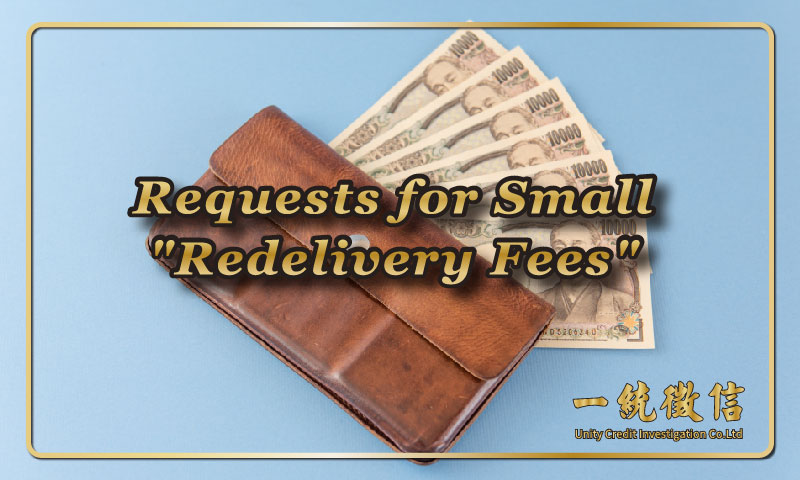
Requests for Small "Redelivery Fees"
To lower the victim's guard, scammers often request a small payment for things like "redelivery fees" or other minor charges. The low amount makes the request seem harmless, prompting people to pay without much thought.
-
Creating a Sense of Urgency
Scammers add time-sensitive wording like "Pick up by [date]" in their messages to pressure victims into acting quickly before thinking clearly, mimicking the standard notification procedures of genuine delivery services.
How Can Yitong Detective Agency Help Recover Scammed Funds?
For victims of parcel fraud—such as Mr. Lin—not only is there a financial loss, but it can also severely disrupt daily life and make it difficult to focus at work, causing significant distress. In such cases, Yitong Detective Agency can utilize its investigative expertise to trace the flow of the scammed funds and assist victims in recovering their losses.


-
Tracing the Flow of Scammed Funds
Yitong Detective Agency first analyzes the victim’s payment records to track the amounts received by the scammer and the flow of funds. This includes checking transaction records from fraudulent websites and tracing the recipient accounts, which can help identify the scammer’s identity or uncover potential financial leads.
-
Assisting in Restoring Business Credit
After identifying fraudulent transactions, Yitong promptly contacts the victim’s bank and assists in applying for transaction reversals or fund freezes. Many banks can help consumers minimize losses when abnormal transactions are detected, although this process requires time and supporting evidence.
-
Coordinating Legal Action
If the scammer’s identity is confirmed, Yitong assists victims in contacting lawyers to pursue legal action against the fraudster and seek compensation. This may include filing a police report, gathering evidence, initiating lawsuits, and other legal procedures.
How to Prevent Parcel Fraud?
The most effective way to avoid becoming a victim of parcel fraud is, unsurprisingly, to stay vigilant and follow these four precautionary tips:
-
Verify the Authenticity of Shipping Information
When you receive a parcel notification, always check directly through official channels (such as the official logistics platform or customer service). Do not trust unsolicited text messages or emails from unknown sources.
-
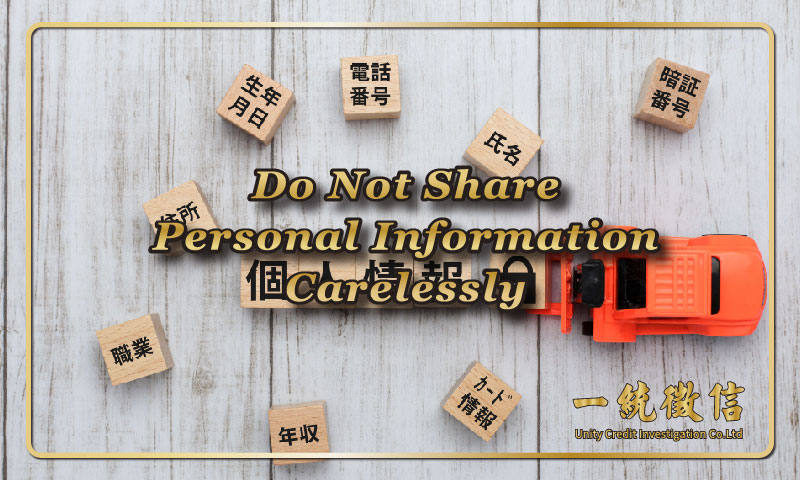
Do Not Share Personal Information Carelessly
Be cautious of websites or notifications that ask for excessive personal details or additional payments. Avoid entering your name, address, or credit card number without proper verification.
-
Be Wary of Very Low Transaction Amounts
If a transaction amount seems unusually low but requires additional fees, this is often a red flag. Legitimate platforms will not ask for extra “delivery fees” or other hidden charges.
-
Use Secure Payment Methods
Always choose trusted payment platforms and enable transaction notifications. Regularly check your transaction history to prevent falling victim to scams.
Don’t Let Everyday Shopping Turn Into a Crisis
“Even in everyday situations, scam groups can mimic with precision.”
While parcel fraud can be highly deceptive, staying alert and following proper preventive measures can effectively minimize the risk. If you unfortunately become a victim, Yitong Detective Agency can help trace the flow of funds and assist in recovering losses, working to seek justice on your behalf.
